Every August and September, following harvest with our producers gives us a closer look at each new vintage. It is not only about the weather or the condition of the grapes. The decisions a domaine makes in response to each growing season also tell us a lot about its philosophy.
Cassagne & Vitailles has long been one of our favourite domaines. Production is tiny, the wines are delicious and still reasonably priced, combining precision and balance with the sunny, open and lively character we love about the south of France.
With a new allocation on the way, we caught up with the domaine about this year's harvest. Here are some early notes on the 2026 vintage, as of September 10.
A hot and dry growing season
The season actually started on a promising note, thanks to good water reserves accumulated in the soils over winter. But by the time the grapes entered the ripening period, conditions had become extremely hot and dry, putting the vines under intense heat and water stress.
In response, the domaine had to adapt some of its vineyard practices. This year, they chose not to hedge the vines, preserving as much canopy as possible to protect the grapes from the sun. Any topping was also kept to a minimum.
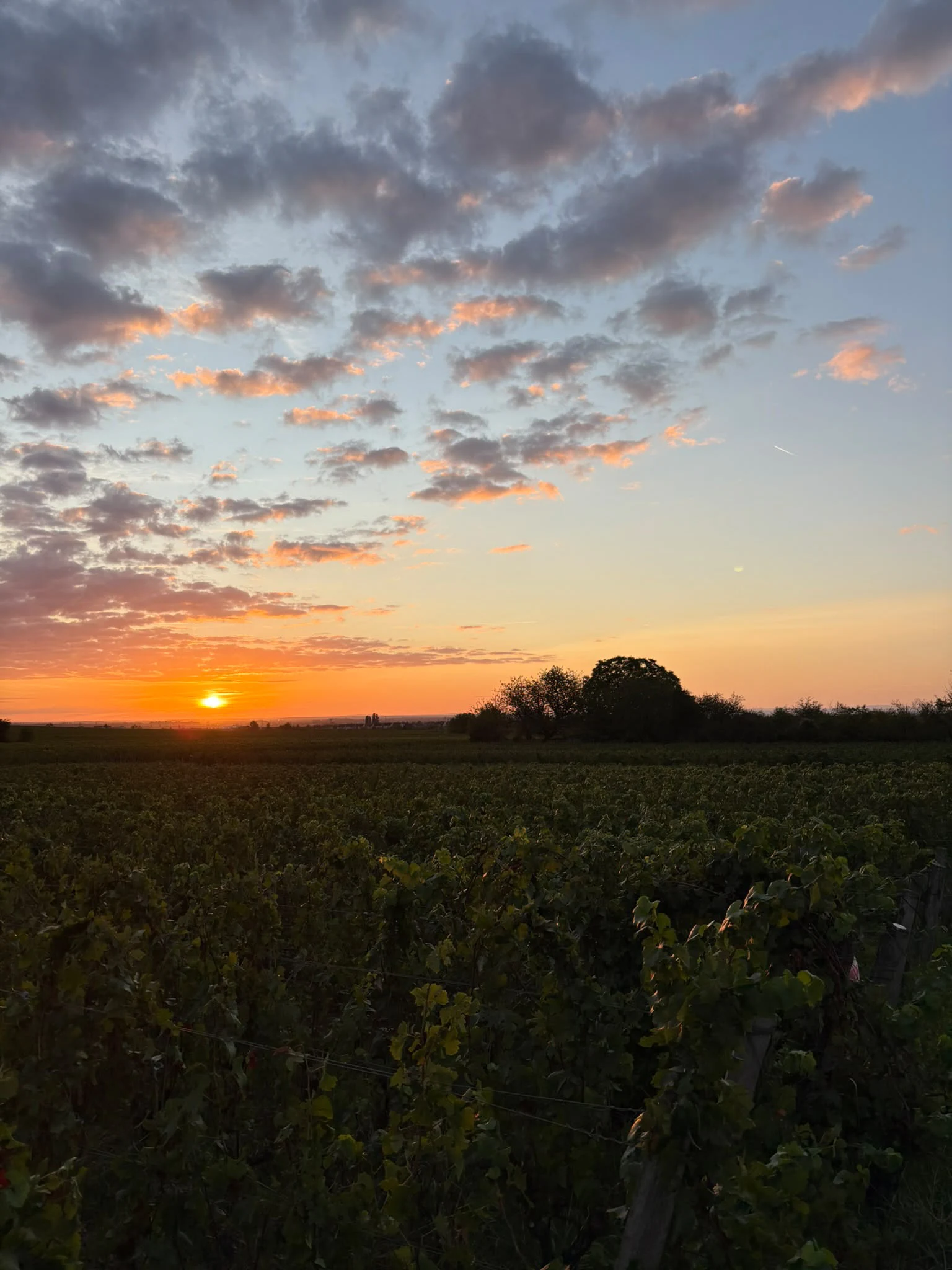
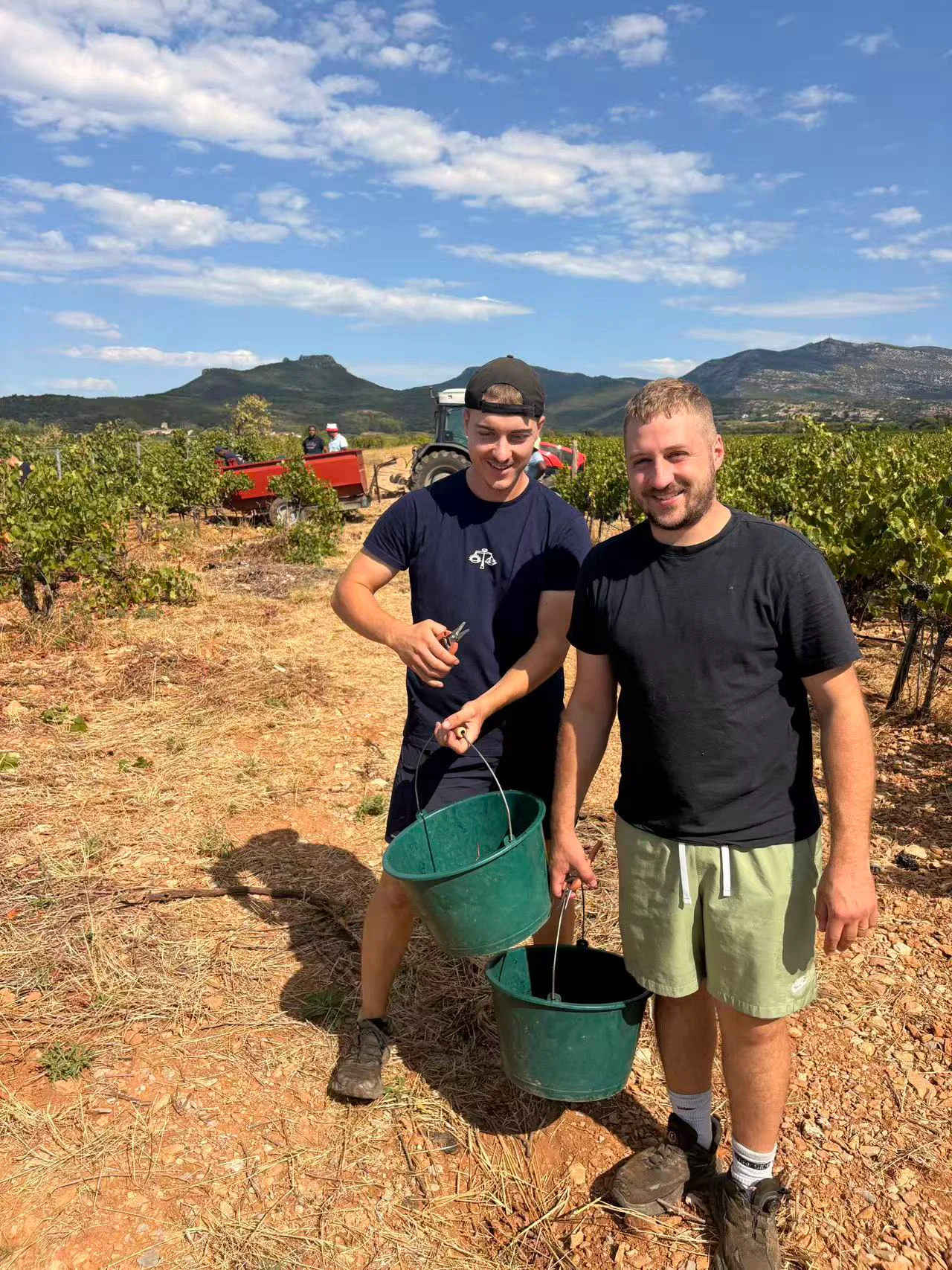
The photos taken during harvest show just how much of that canopy was still intact by picking time.
Harvest also started early. The domaine began picking some parcels on August 14, with Chenin among the first grapes to come in, including the tiny production of La Mynor. When we spoke with the team on September 9, harvest was still not completely finished.
With most parcels already picked, however, one thing was becoming clear: the domaine is very confident about the quality of 2026, but yields will be limited.
Interestingly, we heard a very similar story a few days earlier from Domaine Geantet-Pansiot in Burgundy. Two very different regions, but both facing a vintage of promising quality and very small yields.
A hot vintage with surprising freshness
Despite the heat, one of the most interesting things so far is how well the grapes have retained their freshness.
The whites are showing great promise, with what the domaine describes as beautiful tension and freshness.
The whites are showing great promise, with what the domaine describes as beautiful tension and freshness.
After such an exceptionally hot and dry summer, alcohol levels are naturally high. Yet the first analyses show that the terroirs have retained good levels of acidity.
This creates a striking contrast in 2026: an extremely hot and dry growing season, with high levels of ripeness, but without an obvious loss of freshness.
At this early stage, the reds are pointing towards a more concentrated and powerful character, while still maintaining good acidity and balance.
Of course, harvest was not even completely finished when these notes were written, so these are very much early impressions. Fermentation, élevage and time will tell us much more about what the vintage will eventually become.
There is also an obvious question: after such a hot summer, how did the grapes manage to retain their acidity so well? That deserves a closer look of its own, and we will come back to it separately.
From the vineyard to harvest
Beyond the intact canopy, the harvest photos reveal a few other details about the way Cassagne & Vitailles works.
The grapes are picked into small green crates. Keeping the quantities in each crate small reduces the risk of grapes being crushed under their own weight before reaching the cellar, helping to preserve the integrity and freshness of the fruit. It is a simple detail, but one that requires considerably more handling and labour.
The soils are visibly dry, but they are not completely bare — something we have discussed before when looking at the domaine's approach to farming.
The team also harvests at night.
In a hot southern French vintage, the cooler nighttime temperatures not only make the work a little easier, but also allow the grapes to arrive at the cellar at a lower temperature, helping to preserve their condition and freshness.
A different question every year
This is one of the reasons we find harvest so fascinating.
The domaine is the same. The land is the same. But every year, nature gives the growers a different problem to solve.
Sometimes it is rain. Sometimes disease pressure. In 2026, it was persistent heat and a lack of water.
When to pick, how much canopy to keep, how to manage the soils, and even what time of day to harvest are all part of the domaine's response to that particular vintage.
The story of 2026 is only just beginning.
For now, what we know is this: there will be very little wine, ripeness is high, but freshness and balance remain very promising.
Now we wait to see how the fruit from this exceptionally hot vintage will eventually show in the wines.
Originally written in Chinese. English translation assisted by AI.